Every pool surface has a lifespan. No matter the finish, the day comes when it starts to show its age, and catching that moment early can save you from bigger, costlier repairs down the road. The tricky part is that the signs are easy to ignore until they are obvious.
If your pool feels rougher than it used to, looks stained, or seems to lose water, it may be trying to tell you something. This guide covers the clearest signs your pool needs resurfacing, how often resurfacing is typically needed in South Florida, and why acting sooner protects your investment.
Your pool usually gives plenty of warning before a surface fails completely. Watch for these signs, especially if a few show up together.
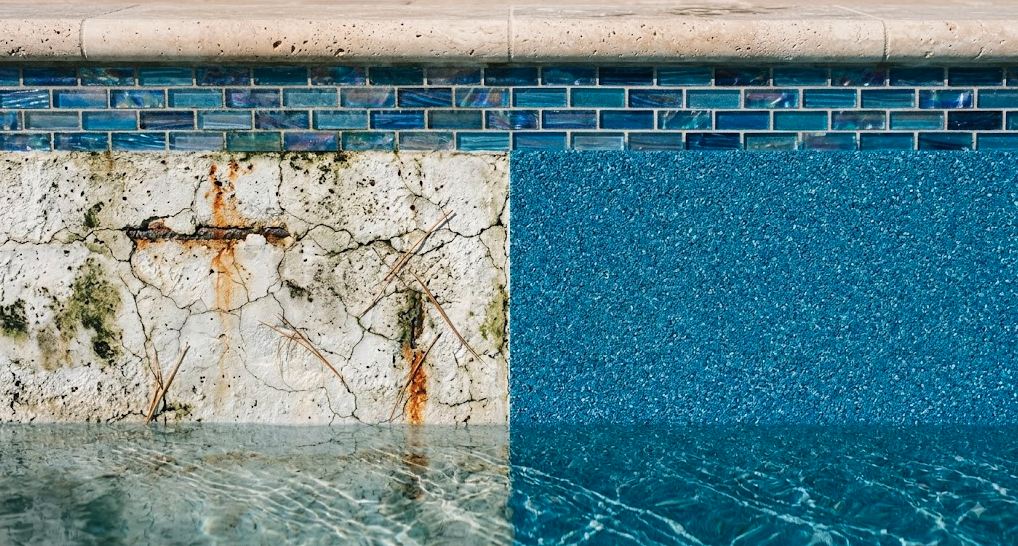
A single small stain is not an emergency. But when the surface feels harsh underfoot, shows spreading cracks, or reveals the material beneath, it is time to have it looked at.
It is easy to live with a rough surface for a while, but the texture is often a symptom of a finish that is breaking down. Once the surface wears through, water can begin to reach the shell, which turns a straightforward resurfacing into a larger repair.
Acting when the signs first appear keeps the project focused on the finish rather than the structure. In other words, the earlier you address it, the simpler and more predictable the work tends to be.
There is no single number, because it depends heavily on the finish and how the pool is cared for. Plaster surfaces need attention soonest, quartz finishes like Diamond Brite last longer, and pebble finishes last the longest of the common options.
South Florida adds its own wear. Intense sun, year round swimming, and salt chlorine systems all shorten the interval compared with milder climates. Water chemistry matters too, since unbalanced water speeds up staining and etching. The best guide is not a calendar but the condition of your surface, checked regularly.
The homeowners who spend the least over time are usually the ones who resurface at the first clear signs rather than waiting for a failure. Early action keeps the scope smaller, protects the shell, and restores comfort and looks before the problem spreads.
A quick inspection is the simplest way to know where you stand. A professional can tell you whether you have a season or two left or whether it is time to plan, so you are never caught off guard.
How do I know if it is resurfacing or just cleaning I need?
Stains that clean away are a maintenance issue. Roughness, cracks, chips, and stains that will not lift point to a surface that needs resurfacing.
Does a rough pool surface get worse over time?
Yes. Roughness usually signals a finish that is wearing down, and it tends to progress, which is why early attention helps.
How long does resurfacing last in South Florida?
It varies by finish, but our sun, heavy use, and salt systems generally shorten the interval versus cooler climates. Good water chemistry extends it.
Can you inspect my pool to tell me if it needs resurfacing?
Yes. Bella Pools offers free, no pressure inspections and can advise whether it is time or whether you have more life left in the surface.
If your pool is showing any of these signs, a quick look is the easiest way to get answers. Bella Pools has helped South Florida homeowners keep their pools beautiful and sound since 2010, backed by a 10 year manufacturer warranty on resurfacing. Call 954-652-8563 or request a free inspection today.
South Florida Pool Services
BUSINESS HOURS
9:00 AM – 6:00 PM / Mon-Sat